For Kenya’s growing community of remote workers, freelancers, and digital entrepreneurs, PayPal has long been the most accessible gateway to the global economy. That gateway is now slamming shut — and the reasons reveal a deeper tension between global financial compliance and the realities of doing business in Africa.
A Crackdown With Immediate Consequences
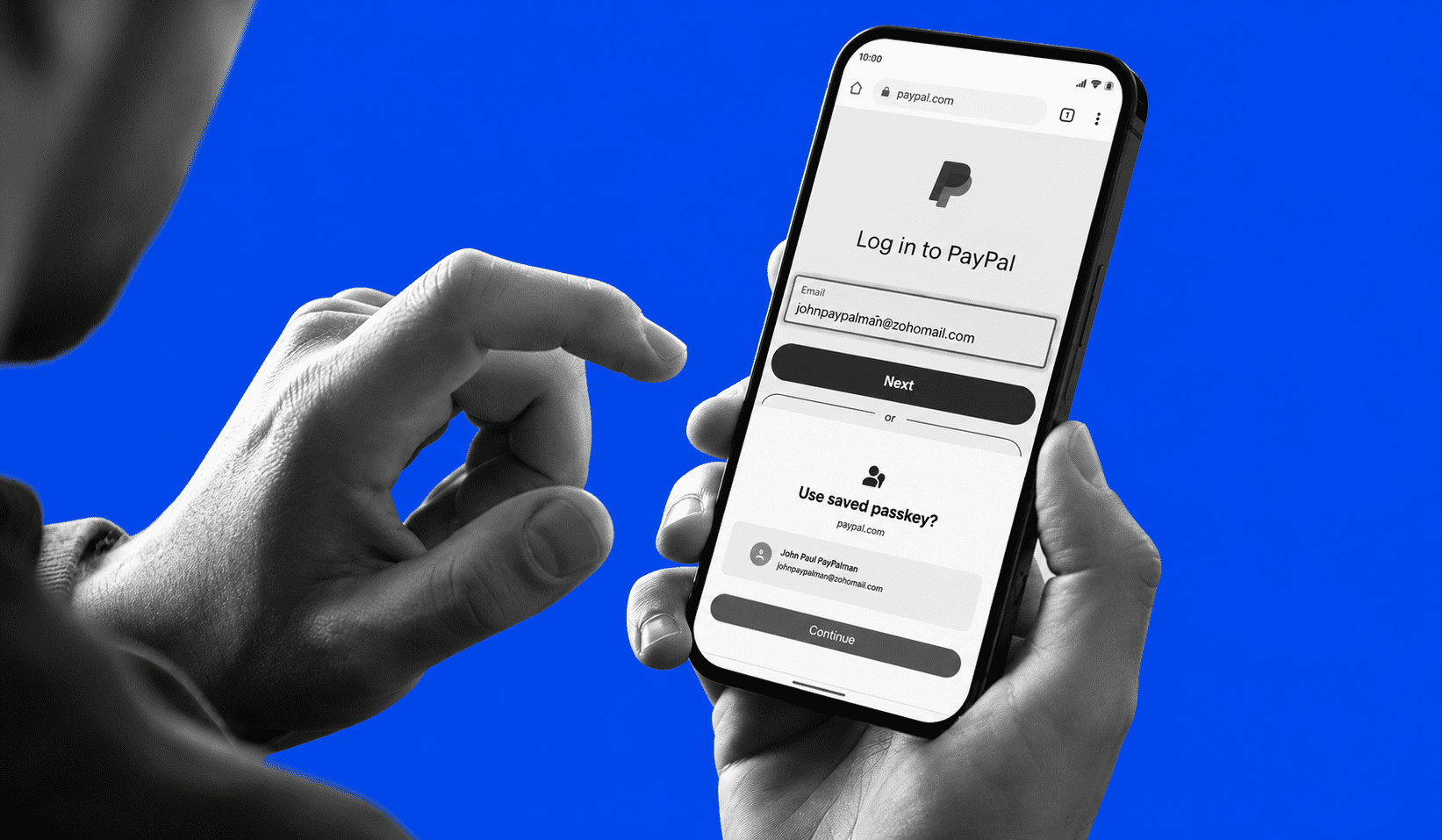
Reports surfacing this week confirm that PayPal has frozen funds in an undetermined number of Kenyan accounts and permanently deactivated others, citing failure to provide adequate proof of identity, employment, and physical address. According to an investigation by Dennis Musau published in the Business Daily, users receiving cross-border payments are being required to produce work contracts, bank statements, and utility bills before they can withdraw or transfer their own money.
Those who cannot comply within six months face permanent account deactivation — with no guarantee that funds will be returned to the original sender. It is a stark reminder that for many Kenyans, the digital economy is not a level playing field.
The FATF Grey List: Kenya’s Compliance Burden
The backdrop to this crackdown is Kenya’s continued placement on the Financial Action Task Force (FATF) grey list — a designation the country has held since February 2024. The grey list flags jurisdictions that have identifiable weaknesses in anti-money laundering (AML) and counter-terrorism financing frameworks, triggering heightened scrutiny from international financial institutions.

For a company the size of PayPal, which processed transactions worth the equivalent of Sh60 trillion in just the first quarter of 2026, operating in a grey-listed country means walking a regulatory tightrope. Their partner banks and card networks carry their own compliance obligations, and a single regulatory misstep in a monitored jurisdiction can have consequences that ripple far beyond any individual account.
That said, compliance obligations do not excuse poor communication or disproportionate enforcement. The pattern emerging from Kenya — vague notices, abrupt permanent bans, and unresponsiveness to affected users — raises legitimate questions about whether PayPal’s approach is calibrated or simply blunt.
The Proof-of-Address Problem: A Structural Injustice
Perhaps the most telling detail in the Business Daily report is the proof-of-physical-address requirement. PayPal’s verification systems were built for markets with formalized addressing infrastructure — the kind where a utility bill confirms not just that you pay your bills, but exactly where you live. Kenya does not have that system at scale.
“It is frustrating because we do not use a formal residential addressing system like the US or Europe; we rely on landmarks and unstructured street names. Does that mean I cannot receive money?”— A Kenyan PayPal user, as quoted in the Business Daily
This is not an edge case. Millions of Kenyans — including many in Nairobi — rely on informal addressing conventions that would never satisfy a form designed for a street in London or Chicago. When a freelance writer cannot access $190 earned from a legitimate UK client simply because his street doesn’t have a formal name, the compliance system is no longer protecting anyone from financial crime. It is merely inconveniencing the honest.
Pattern of Behaviour, Not an Isolated Incident
It would be tempting to read this as an isolated policy update, but context matters. PayPal has faced criticism for freezing accounts in African markets for years, with Nigeria being the most frequently cited example. The company has also faced class-action lawsuits in other markets over its practice of holding funds with limited explanation. The pattern — vague notices citing “inconsistency with our user agreement,” requests for documentation that users then submit only to still be permanently limited — is one that Kenyan users are now experiencing in full force.
A freelancer featured in the Business Daily report uploaded every document PayPal requested, attempted to move his legitimately earned funds to a local bank account, and was permanently banned anyway. PayPal cited suspicious activity. No further explanation was provided. PayPal did not respond to the publication’s questions.
What Affected Users Should Know
For users currently facing frozen accounts or verification demands, a few key facts are worth understanding. PayPal is legally permitted under its own terms of service to hold remaining balances for up to 180 days to cover potential chargebacks or financial liabilities. During this period, account information remains accessible, but payments cannot be sent or received. Linked bank accounts or cards cannot be transferred to a new PayPal account under a restricted status.
In Kenya, the only direct withdrawal partnership with PayPal remains through Equity Bank. Safaricom’s M-Pesa also maintains an integration that allows fund transfers. For those who do not bank with Equity, linked Visa or Mastercard cards issued by other lenders remain the primary withdrawal route — assuming the account is not restricted.
Most importantly: if your account has been flagged and you have not yet received a permanent limitation notice, respond to PayPal’s documentation requests promptly and completely. While this is no guarantee — as the cases reported by the Business Daily demonstrate — it remains the only formal pathway available.
The Bigger Picture: Financial Inclusion in the Crossfire
There is a real irony at the centre of this story. PayPal positioned itself as a democratizing force in global finance — a way for individuals anywhere to participate in the cross-border economy. In Kenya, it has served exactly that purpose for thousands of freelancers, artists, developers, and small business owners who otherwise lack the infrastructure to receive international payments conveniently.
The FATF grey list designation, and PayPal’s response to it, now threatens to sever that connection entirely for the most vulnerable users, not the money launderers the policy is designed to target, but the remote worker who built a client relationship over three years and now can’t withdraw this month’s earnings.
Kenya’s government has a role to play here too. Removal from the FATF grey list requires demonstrable progress on AML frameworks, formal address systems, and financial intelligence cooperation. The longer that process takes, the longer Kenyan users of international financial platforms will bear the collateral cost.
PayPal’s crackdown on Kenyan accounts is, on the surface, a compliance story. Underneath, it is a financial inclusion story and a cautionary tale about what happens when global systems built for one context are applied without adaptation to another. Until Kenya exits the FATF grey list and until platforms like PayPal build Africa-appropriate verification pathways, thousands of legitimate earners will remain caught in the middle. The funds frozen are not abstractions. They are school fees, rent, and business capital, held hostage by a verification process that was never designed for the world most of its users actually live in.