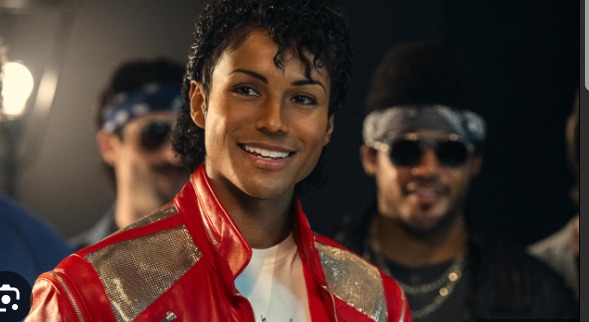
The global release of Michael on April 24, 2026, following early screenings on April 22, marks a pivotal moment for the modern music biopic genre. The film, centered on the life and legacy of Michael Jackson, enters the market at a time when studios are increasingly relying on culturally significant figures to drive box office performance and streaming engagement.
Initial performance indicators suggest strong audience turnout, reflecting sustained global interest in legacy music icons. Music biopics in recent years have consistently outperformed expectations, with several titles delivering returns exceeding 150–250 percent of production budgets. Early projections for Michael indicate it is tracking within this high-performance bracket, supported by global brand recognition and cross-generational appeal.
The film’s reported production budget, estimated at over $100 million, places it among the more expensive entries in the genre. This aligns with a broader industry trend where investment in biographical films has increased by approximately 20 percent over the past five years. Studios are allocating more capital to such projects due to their built-in audiences and diversified revenue potential across theatrical releases, streaming platforms, and music-related income streams.
A key factor underpinning the film’s commercial outlook is the enduring value of Michael Jackson’s music catalog. Soundtrack integration and licensing are expected to play a significant role in revenue generation, with music-driven films historically deriving up to 25 percent of total earnings from associated audio streams and rights usage. This positions Michael not only as a cinematic release but also as a multi-channel commercial asset.


However, the film’s release comes amid a complex operating environment for the global film industry. Total box office revenues, estimated at around $33 billion in 2025, remain approximately 20 percent below pre-pandemic levels, underscoring ongoing structural shifts in audience behavior. The rise of streaming has fragmented viewership, prompting studios to adopt hybrid distribution models that combine theatrical runs with digital releases.
Marketing expenditure further compounds financial risk. For large-scale productions such as Michael, promotional costs can account for 40–60 percent of the production budget, raising the break-even threshold significantly. This has increased reliance on recognizable intellectual property to ensure initial audience traction and reduce uncertainty.
Critically, the film also reflects changing audience expectations. Modern viewers are increasingly analytical, often comparing dramatized narratives with widely available digital content and archival material. This dynamic introduces reputational and storytelling challenges, particularly for high-profile figures whose lives remain subject to global scrutiny.
From an industry standpoint, Michael reinforces the strategic shift toward leveraging established cultural brands in film production. The early reception and performance trajectory of the film will likely influence future investment decisions, particularly in music and celebrity-driven storytelling.
In essence, the release of Michael highlights a convergence of nostalgia, commercial strategy, and evolving consumption patterns. Its performance will serve as a benchmark for the viability of high-budget music biopics in a film industry navigating rising costs, competitive streaming ecosystems, and changing audience dynamics.