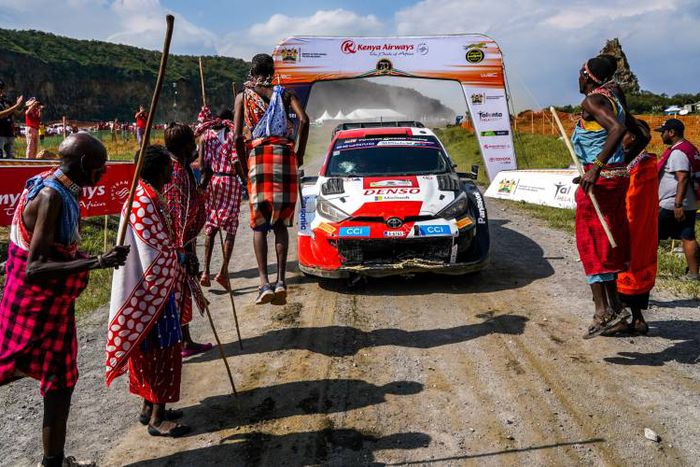
The ongoing World Rally Championship (WRC) Safari Rally, roaring through dusty tracks around Naivasha from March 12-15, 2026, is delivering a timely economic jolt to Kenya, injecting millions into hospitality, small businesses and regional tourism amid the thrill of high-speed competition.
The event, drawing an estimated 600,000 fans including over 10,000 regional visitors from East Africa, has filled hotels to near 100% occupancy in Naivasha and wider Nakuru County. Local vendors, boda boda operators, restaurants and accommodation providers are seeing surges in activity, with the rally acting as a short-term economic accelerator for communities along the routes.
This year’s rally benefits from strong private-sector backing, reducing government strain. Sponsors including KCB, CFAO Mobility Kenya and White Cap have poured funds into logistics, driver development and fan experiences. The shift toward private-led organization aims to commercialize sports assets and align with broader goals of economic growth through tourism. Visitors often combine the motorsport spectacle with coastal trips, safaris or cultural activities, boosting longer stays and regional arrivals.
Beyond immediate gains, the Safari Rally drives longer-term benefits: heightened investor interest in Naivasha as a tourism hub, new hotel developments and infrastructure upgrades tied to the event. It promotes sports tourism as a high-impact segment in the National Tourism Strategy 2025-2030, diversifying from traditional wildlife safaris.
While the four-day event creates a concentrated boom (particularly for SMEs and informal sectors) the full multiplier effects, including tax revenue and sustained publicity, unfold over months. As engines roar and dust settles, the WRC Safari Rally underscores how global sports can fuel Kenya’s economic engine, one stage at a time.