Falling fuel prices often register as a small daily relief at the pump, but economically they function as something far larger: an informal stimulus package delivered without legislation, debt, or political negotiation. Energy sits at the base of almost every production and distribution chain, from food and manufacturing to transport and retail. When its cost declines, thousands of balance sheets quietly adjust at once. Firms face lower operating expenses, households retain more disposable income, and inflationary pressure softens. Unlike government spending programs, this stimulus is decentralized and immediate, spreading across the economy rather than through a budget line.
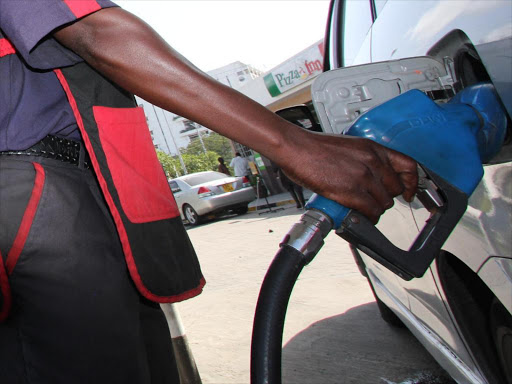
For households, the relief is tangible. According to the Energy and Petroleum Regulatory Authority (EPRA), for the period 15th January to 14th February 2026, petrol prices have fallen to ksh 182.52 per liter in Nairobi, diesel to ksh 170.47 per liter, and kerosene to ksh 153.78 per liter. Across other major towns, similar reductions were recorded, easing daily transportation and energy costs for millions. These adjustments provide modest but meaningful breathing space in family budgets, enabling households to reallocate funds toward essential needs or savings.
Businesses experience the stimulus more directly on their cost structures. Logistics firms, manufacturers, farmers, and retailers all benefit from reduced transport and energy inputs, improving margins or allowing selective price reductions. When competitive pressures force firms to pass on part of the savings, inflation slows without sacrificing profitability. This dynamic is powerful because it improves both sides of the market simultaneously: producers regain breathing space while consumers face gentler price increases. Over time, steadier prices can lower uncertainty, encouraging cautious investment and inventory expansion. Financial markets often underestimate this channel, focusing instead on interest rates alone and policy.
Yet fuel-driven stimulus is fragile. It depends on global supply conditions, geopolitics, and currency stability, all beyond domestic control. Governments that mistake temporary relief for structural progress risk delaying necessary reforms in productivity, infrastructure, and taxation. Still, when understood properly, lower fuel prices offer breathing room: a chance to stabilize prices, rebuild confidence, and protect vulnerable households. The true value lies not in cheaper petrol itself, but in the short window it creates to strengthen economic foundations before the next energy cycle turns. Used wisely, it can soften downturns without creating future debt burdens for governments or taxpayers.