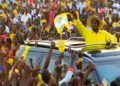
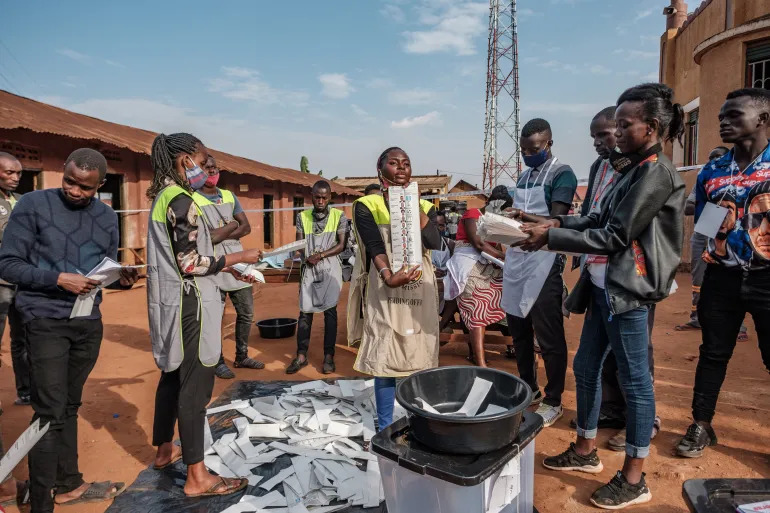
A regional lobby group has raised alarm over Uganda’s forthcoming presidential and parliamentary elections, warning that the polls are being conducted in an environment that is neither safe nor fair. The concerns add to growing criticism from human rights organisations and international observers over the country’s electoral process.The lobby group argues that key democratic safeguards have been weakened in the run-up to the vote. Among its central complaints is the late release of the national voter register, which it says has denied voters adequate time to verify their details or challenge inaccuracies. According to the group, this undermines transparency and erodes confidence in the credibility of the elections even before ballots are cast.
Security remains a major point of contention. The lobby claims that the heavy presence of police and military forces across urban centres has created a climate of fear, particularly among opposition supporters. While authorities insist the deployments are meant to maintain order, critics argue that such measures intimidate voters and candidates, discouraging free political participation.Opposition parties have also complained of unequal treatment during campaigns. Reports of rallies being blocked, candidates restricted in movement, and supporters dispersed by security agencies have fuelled claims that the political playing field is tilted in favour of the ruling party. The lobby group says these actions violate basic principles of competitive democracy.
Media freedom and civic space have emerged as additional flashpoints. Journalists and civil society organisations face tighter controls, with some rights groups reportedly ordered to suspend activities shortly before the elections. An election-period internet shutdown has further heightened tensions, as critics say it limits access to information, restricts communication, and hampers independent monitoring of the vote.International human rights bodies have echoed similar concerns, pointing to a pattern of repression that includes arbitrary arrests, harassment of activists, and the use of excessive force against peaceful demonstrators. Such conditions, they warn, make it difficult for voters to express their political will freely.
The Ugandan government has rejected accusations of unfairness, maintaining that the elections will be peaceful, transparent, and credible. Officials argue that security measures and regulatory actions are necessary to preserve stability and prevent misinformation. However, sceptics say these justifications do little to address long-standing grievances around political freedoms.As President Yoweri Museveni seeks another term after nearly four decades in power, the stakes remain high. Analysts warn that if concerns about safety and fairness are not addressed, the elections could deepen political divisions and spark post-election disputes.For many Ugandans, the coming vote represents not just a choice of leaders, but a critical test of the country’s commitment to democratic norms.