
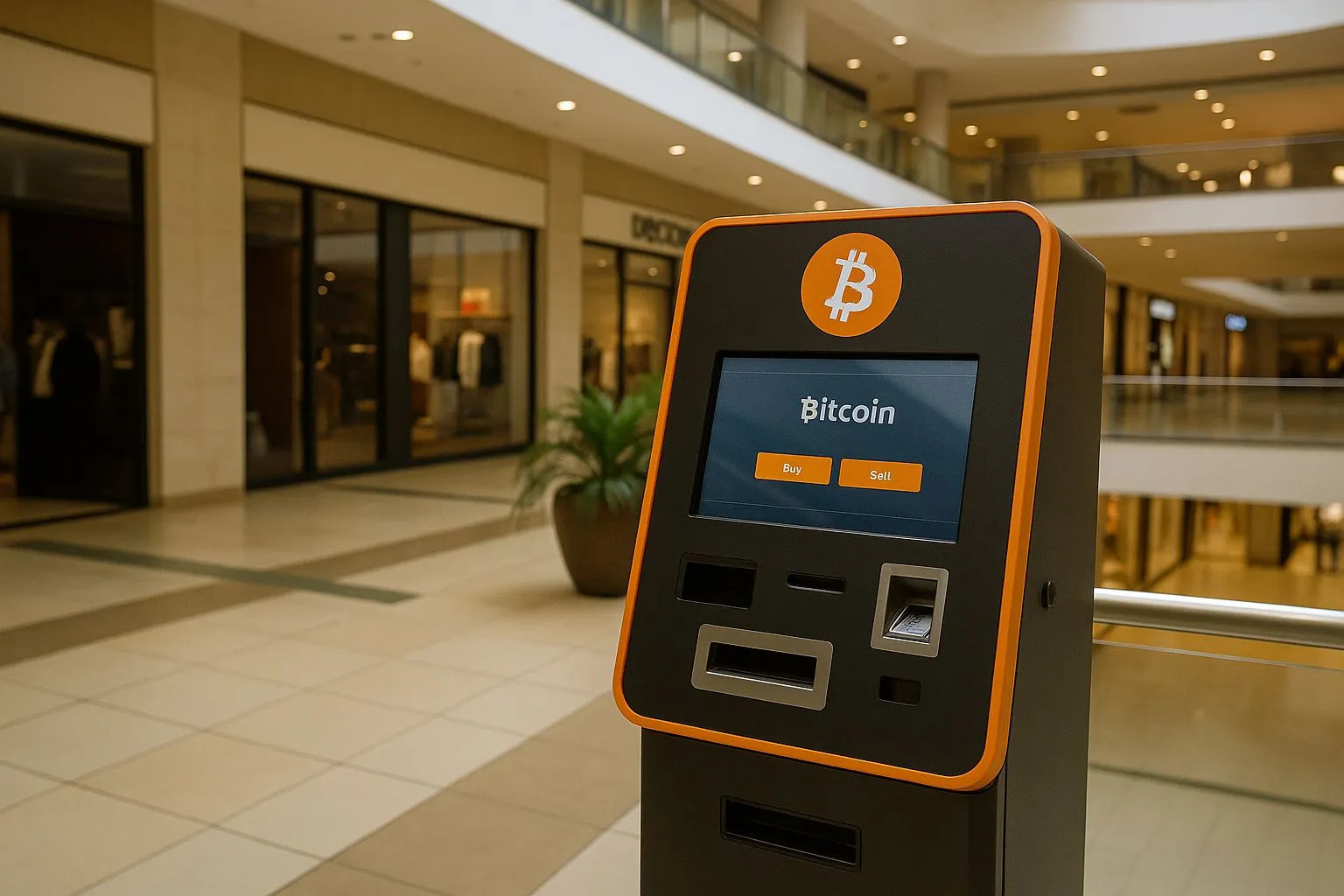
Bitcoin ATMs are quietly popping up in major shopping malls across Kenya, signalling the growing appetite for cryptocurrency adoption in the country. From Nairobi’s commercial hubs to high-traffic retail centres, the machines allow users to buy or sell Bitcoin using cash or mobile money. While crypto enthusiasts view this as a milestone for financial innovation, regulators are raising red flags, warning that the rollout is moving faster than the law.
The surge follows Kenya’s recent steps toward formalising the digital assets space. New crypto-related legislation passed earlier this year aimed to provide a framework for innovation while safeguarding consumers. However, the appearance of Bitcoin ATMs has exposed gaps between legislation and implementation. According to regulators, including the Central Bank of Kenya (CBK), many of the ATM operators are not licensed and are operating in a legal grey area.CBK has emphasised that cryptocurrencies are not legal tender in Kenya and remain largely unregulated financial instruments. While the government has acknowledged the role of digital assets in the modern economy, authorities insist that service providers must first meet licensing, anti-money laundering (AML), and consumer protection requirements before rolling out physical crypto infrastructure.
Industry players argue that Bitcoin ATMs improve accessibility by lowering the barrier to entry for everyday users who may not be comfortable using online exchanges. For Kenya, where mobile money dominates financial transactions, physical crypto kiosks are seen as a bridge between traditional finance and decentralised digital assets. Supporters also point to the potential for job creation and increased fintech investment if the sector is allowed to mature.However, regulators remain concerned about financial crime risks. Bitcoin ATMs can be used anonymously if controls are weak, making them attractive for money laundering, fraud, or illicit cross-border transactions. Consumer advocates have also warned that unsuspecting users may be exposed to high transaction fees, price volatility, and scams, especially in the absence of clear disclosures.
The controversy highlights Kenya’s broader challenge: balancing innovation with financial stability. The country is already one of Africa’s most active crypto markets, driven by a tech-savvy youth population, high mobile penetration, and persistent currency pressures. Yet, without clear operational guidelines, the rapid expansion of Bitcoin ATMs risks undermining trust in the financial system.As regulators move to rein in unlicensed operators, industry stakeholders are calling for faster issuance of clear rules rather than outright crackdowns. How Kenya resolves this tension will shape not only the future of Bitcoin ATMs in Kenya, but also the country’s position as a regional leader in digital finance.