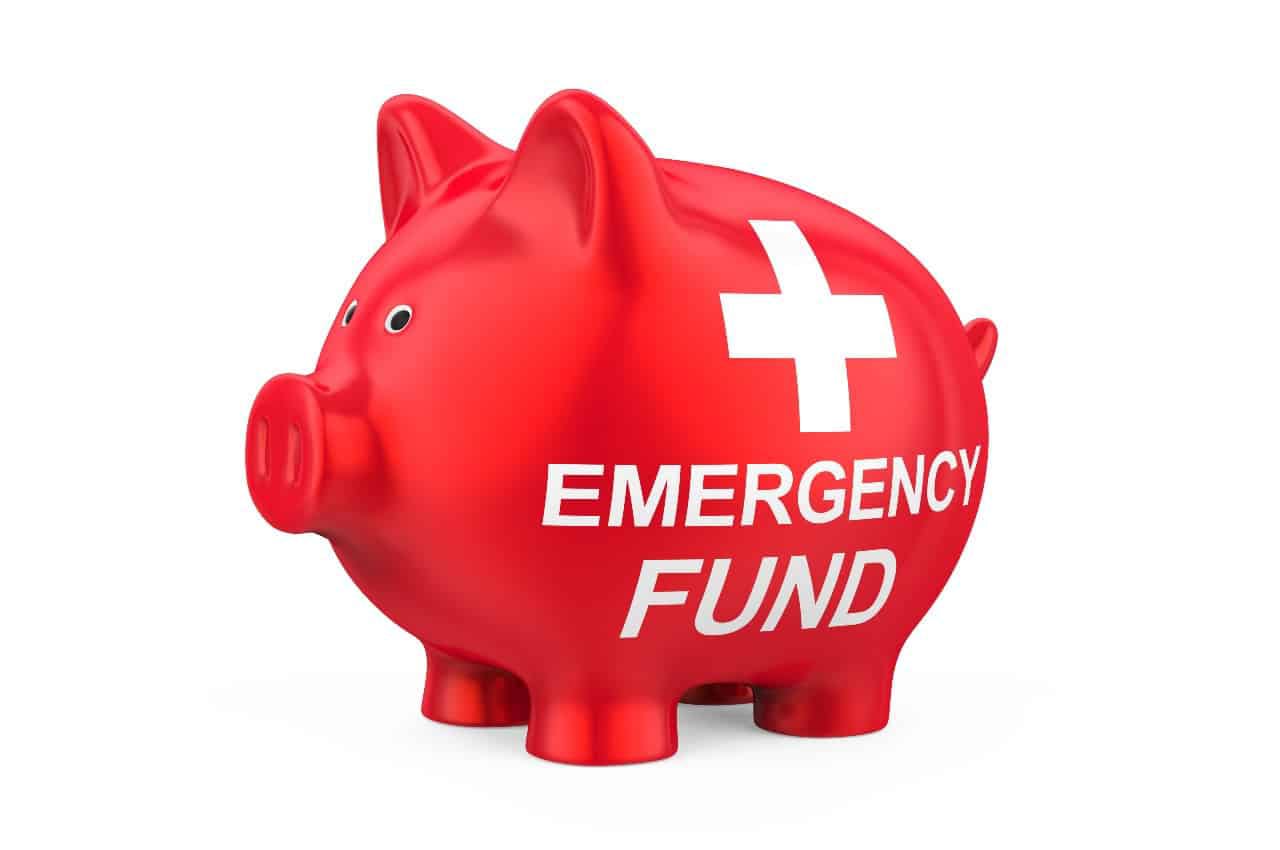
An emergency fund is a dedicated reserve of money set aside to address unexpected financial needs. It plays a critical role in promoting financial stability and security for individuals and households. Unlike regular savings, which may be allocated for planned goals such as education, travel, or major purchases, an emergency fund is specifically intended to cover unforeseen circumstances. These circumstances may include medical expenses, urgent home or vehicle repairs, or sudden changes in employment.
The primary purpose of an emergency fund is to provide immediate access to funds in situations that require prompt financial response. By having a designated reserve, individuals can avoid reliance on high-interest loans, credit cards, or other forms of debt that may exacerbate financial strain. Access to an emergency fund allows for greater flexibility and confidence in managing unexpected events without compromising regular financial obligations.
Establishing an emergency fund also encourages disciplined financial habits. It requires individuals to allocate a portion of their income regularly and resist the temptation to use these funds for non-essential purposes. This practice fosters long-term financial responsibility, enhances budgeting skills, and instills a sense of preparedness for future challenges. Over time, the consistency of contributions and careful management of the fund contribute to a stronger financial foundation.
In addition to providing financial security, an emergency fund can reduce stress and improve overall well-being. Knowing that there are resources available to manage unforeseen events allows individuals to focus on other aspects of life, such as personal development, career advancement, or family responsibilities, without constant worry about potential financial disruptions.


The size of an emergency fund may vary depending on individual circumstances, including income levels, monthly expenses, and personal obligations. While there is no universal standard, a well-structured emergency fund should be sufficient to cover essential expenses for a reasonable period, ensuring that unexpected events do not derail financial stability. For instance, A money market account is a good place for emergency funds because it is very low risk, keeps your money stable, and allows quick access when you need it. It usually earns a higher interest rate than a regular savings account while still being easy to withdraw from, and in most cases the money is insured, so it’s protected. This makes it a solid balance between safety, liquidity, and modest returns, which is exactly what emergency money is meant for.
In conclusion, an emergency fund is a vital component of personal financial management. It provides security against unexpected events, promotes prudent financial behavior, and contributes to long-term stability. By establishing and maintaining an emergency fund, individuals can navigate financial uncertainties with greater confidence and maintain control over their economic well-being. The practice of consistently saving for emergencies is a foundational step toward achieving overall financial resilience.(Start your investment journey today with the cytonn MMF, call+2540709101200 or email sales@cytonn.com)