

Sharp Daily
No Result
View All Result
Thursday, December 11, 2025
  • Home
  • News
    • Politics
  • Business
    • Banking
  • Investments
  • Technology
  • Startups
  • Real Estate
  • Features
  • Appointments
  • About Us
    • Meet The Team
Sharp Daily
  • Home
  • News
    • Politics
  • Business
    • Banking
  • Investments
  • Technology
  • Startups
  • Real Estate
  • Features
  • Appointments
  • About Us
    • Meet The Team
No Result
View All Result
Sharp Daily
No Result
View All Result
Home Economy

World Bank warns Kenya against shielding state firms from market competition

Latest economic update highlights how protection of state owned enterprises is slowing productivity, private investment, and the creation of quality jobs.

Sharon Busuru by Sharon Busuru
December 9, 2025
in Economy, News
Reading Time: 2 mins read
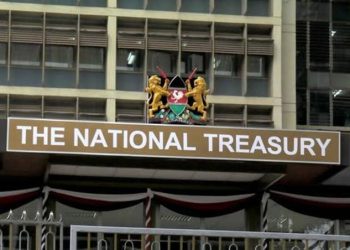
World Bank says Kenya Is shielding state firms from market realities

RELATEDPOSTS

Investing in 2026: because “nitaanza kesho” has expired.

December 10, 2025

Tanzania’s independence day 2025: a nation mourns as celebrations give way to crisis

December 9, 2025

The World Bank has raised concerns over Kenya’s continued protection of state owned enterprises (SOEs), warning that shielding them from market forces is limiting competition, suppressing productivity, and slowing job creation. The findings are contained in the latest Kenya Economic Update, released in late November 2025, which examines the country’s economic resilience and structural constraints.

According to the report, several major SOEs continue to operate under regulatory preferences that give them advantages over private competitors. These include guaranteed government support, favorable licensing conditions, and limited exposure to competitive pressures. The Bank argues that such practices distort pricing, restrict the entry of more efficient firms, and ultimately weaken Kenya’s competitiveness.

The report highlights that Kenya’s Product Market Regulation (PMR) score remains among the most restrictive in similar middle income economies, indicating persistent barriers that prevent fair competition across sectors. Industries such as energy, telecommunications, logistics, and transport were cited as areas where SOEs hold dominant positions protected by policy, rather than performance.

World Bank economists warn that without reducing these protections, Kenya risks losing out on higher investment flows and the opportunity to build stronger, more dynamic markets.

The report notes that “insulating state-owned enterprises from competition reduces incentives for innovation, limits efficiency gains, and increases the burden on taxpayers.”

The Bank adds that Kenya has shown economic resilience in recent years, but structural  constraints particularly weak competition are slowing the pace at which the private sector can create stable, well-paying jobs. The private sector currently generates most new employment, yet the majority remains informal and low income due to limited conditions for firm growth.

The World Bank recommends a set of regulatory reforms aimed at leveling the playing field between SOEs and private firms. These include revising monopoly protections, opening sectors to new entrants, strengthening regulatory independence, and improving oversight on state-firm performance.

According to the Bank, adopting pro-competitive reforms could add more than a percentage point to annual GDP growth and accelerate the creation of quality jobs. Without such reforms, Kenya risks slower growth, continued fiscal pressure, and rising inefficiencies in key public enterprises

READ MORE

Kenya struggles to rein in recurrent spending-World Bank warns
Previous Post

What’s new in cryptocurrency

Next Post

Tanzania’s independence day 2025: a nation mourns as celebrations give way to crisis

Sharon Busuru

Sharon Busuru

Related Posts

News

Commodities rally signals resilience, but not necessarily a global reacceleration

December 10, 2025
News

Kenya’s Growing Credit Culture

December 10, 2025
News

The Rise of Corporate Bonds

December 10, 2025
News

Kenya’s real estate market shows mixed recovery in late 2025

December 10, 2025
Analysis

Investing in 2026: because “nitaanza kesho” has expired.

December 10, 2025
Business

Loan apps in Kenya: How they work and what makes them stand out

December 10, 2025

LATEST STORIES

Commodities rally signals resilience, but not necessarily a global reacceleration

December 10, 2025

Kenya’s Growing Credit Culture

December 10, 2025

The Rise of Corporate Bonds

December 10, 2025

Kenya’s real estate market shows mixed recovery in late 2025

December 10, 2025

Investing in 2026: because “nitaanza kesho” has expired.

December 10, 2025

Loan apps in Kenya: How they work and what makes them stand out

December 10, 2025
Safaricom raises KSh 20 Billion from green bond, set to return excess funds to investors

Safaricom raises Ksh 20 billion from green bond, set to return excess funds to investors

December 10, 2025

KCB m-Pesa: Transforming digital lending and savings for kenyans

December 9, 2025
  • About Us
  • Meet The Team
  • Careers
  • Privacy Policy
  • Terms and Conditions
Email us: editor@thesharpdaily.com

Sharp Daily © 2024

No Result
View All Result
  • Home
  • News
    • Politics
  • Business
    • Banking
  • Investments
  • Technology
  • Startups
  • Real Estate
  • Features
  • Appointments
  • About Us
    • Meet The Team

Sharp Daily © 2024