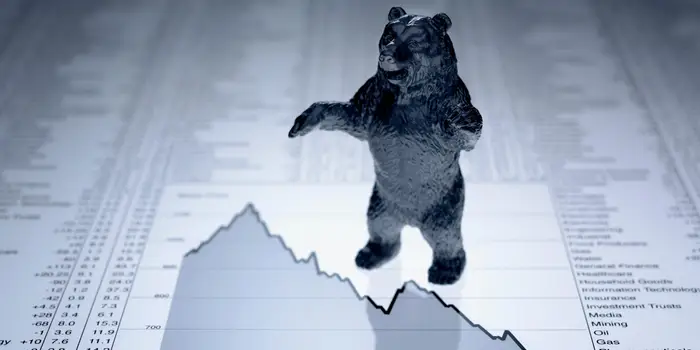
Not all bear markets are created equal. While every period of falling prices signals a loss of confidence and a tightening of financial conditions, the causes, duration, and recovery profiles vary widely. Understanding the type of bear market at play is key to interpreting its impact and predicting how long it might last. Broadly, there are three main types of bear markets; structural, cyclical, and event-driven, each with distinct characteristics and implications for investors.
A structural bear market is the most severe and long-lasting form. It occurs when deep imbalances build up in the financial system, often driven by excessive borrowing, speculative bubbles, or policy missteps. When these imbalances finally unwind, they trigger widespread economic pain. Structural bear markets typically lead to financial crises, deflationary pressures, and sharp contractions in output. Globally, the 2008 financial crisis and Japan’s 1990s market collapse are classic examples. In the Kenyan context, a structural bear market could emerge from persistent fiscal stress or a sharp correction in domestic debt markets, scenarios that erode investor trust and take years to rebuild. Recovery in such periods is slow because the system itself must be repaired before growth resumes.
A cyclical bear market, by contrast, is more familiar and less destructive. It is part of the normal rhythm of economic expansion and contraction. These downturns usually occur when growth slows, inflation rises, or interest rates are increased to contain overheating. As profits weaken and liquidity tightens, equity prices adjust downward. Cyclical bear markets tend to last around two years, with markets typically losing about 30.0% of their value before policy easing and renewed growth pave the way for recovery. For Kenya, where corporate earnings remain under pressure and borrowing costs are high, the current environment has many cyclical traits a slowdown driven by weaker domestic demand and high debt servicing, rather than by systemic collapse.
Finally, event-driven bear markets are triggered by sudden, one-off shocks an external event that jolts sentiment but doesn’t fundamentally alter the economy’s structure. These could include geopolitical tensions, pandemics, or abrupt policy changes. Kenya has experienced several event-driven dips, such as the 2020 pandemic-induced sell-off, when share prices fell sharply but recovered within a year as liquidity improved and economic activity resumed. Event-driven downturns tend to be shorter and shallower, driven more by fear than by deteriorating fundamentals.


In practice, the boundaries between these categories can blur. An event-driven shock can evolve into a cyclical downturn if it triggers recessionary pressures, while a cyclical slowdown can expose structural weaknesses. For Kenya, the present bear market seems to straddle both the cyclical and event-driven categories, triggered by global risk aversion and domestic economic headwinds but underpinned by fiscal and market imbalances that require time to address.
Understanding which type of bear market is unfolding is not merely academic. It helps investors set realistic expectations, whether to brace for a prolonged repair phase, position for a cyclical rebound, or seize short-term dislocations. In every case, bear markets serve a vital function: they correct excesses, reset valuations, and ultimately lay the groundwork for the next phase of sustainable growth.