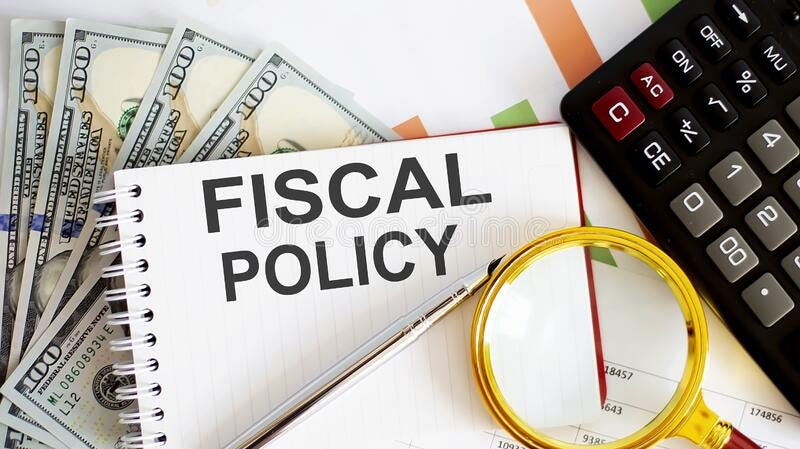
Fiscal policies are instruments used by the government to influence the macroeconomic stability, growth and income distribution among its citizens. The instruments of fiscal policy are taxation, government expenditure and public debt. Sound public finances reflected in prudent fiscal balances and supportable debt position, are a prerequisite for sustainable economic development in Kenya. They contribute to credible government policies and macroeconomic and financial stability. As such, there is a need to maintain prudent fiscal policy to manage future pressure on public finances, such as rising public debt.
Tight fiscal policies involve high taxation practices and reduced government spending that have significant impacts on the economy, both on short-term and long-term periods. With high taxation rates, consumer demand for goods and services fall, as a result of low disposable incomes. High taxation rates coupled with high inflation rates tend to raise the cost of living as witnessed in September 2022 when inflation hit a record high of 9.2% . Low levels of consumer demand will then adversely affect the general production activities and extension of quality services by businesses, due to resource capacity constraints to maintain the supply. This hence contributes to slow economic growth of the nation in general
The over-taxation of businesses and individuals further dampens investor confidence, especially in the case of young entrepreneurs or business startups. High taxation rates discourage both local and foreign investors who are skeptical about the viability of investments, and the uncertainty of economic stability of the country, making Kenya a less attractive destination for private investment. Investors typically seek stability, and constant changes to tax laws with limited stakeholder engagement diminish confidence in the policy environment. For example, the introduction of various levies i.e., 1.5% Housing Levy on gross incomes, the Digital Service Tax, and a minimum turnover tax, have all elevated the cost of doing business in Kenya. Many SMEs which operate on tight marginal profitability, are struggling to remain compliant, others opting to exit the formal economy altogether. These measures have not only discouraged formalization but also undermined efforts to expand the tax base, creating a vicious cycle of informality and low tax compliance.
Tight fiscal policy also undermines job creation and private sector expansion in Kenya. This contributes to limited public sector hiring, and slow growth of government-backed investments leading to increased constraints in the labour market. This further contributes to a decrease in the consumer base with limited purchasing power, affecting business performance. Entrepreneurs and investors may postpone or cancel investment decisions, particularly in capital-intensive sectors like manufacturing, energy, and transport. The general effect as a result is slower economic transformation and reduced resilience, especially for youth-led and innovation-driven enterprises.

While fiscal consolidation is important for Kenya’s long-term economic stability, the approaches that heavily emphasize on revenue collection over economic growth stimulation, risk undermining the main objective of economic growth that generates the taxes it seeks. There is a need for a more balanced strategy in collection of revenue, tax administration efficiency, and priority support for productive sectors of the economy.