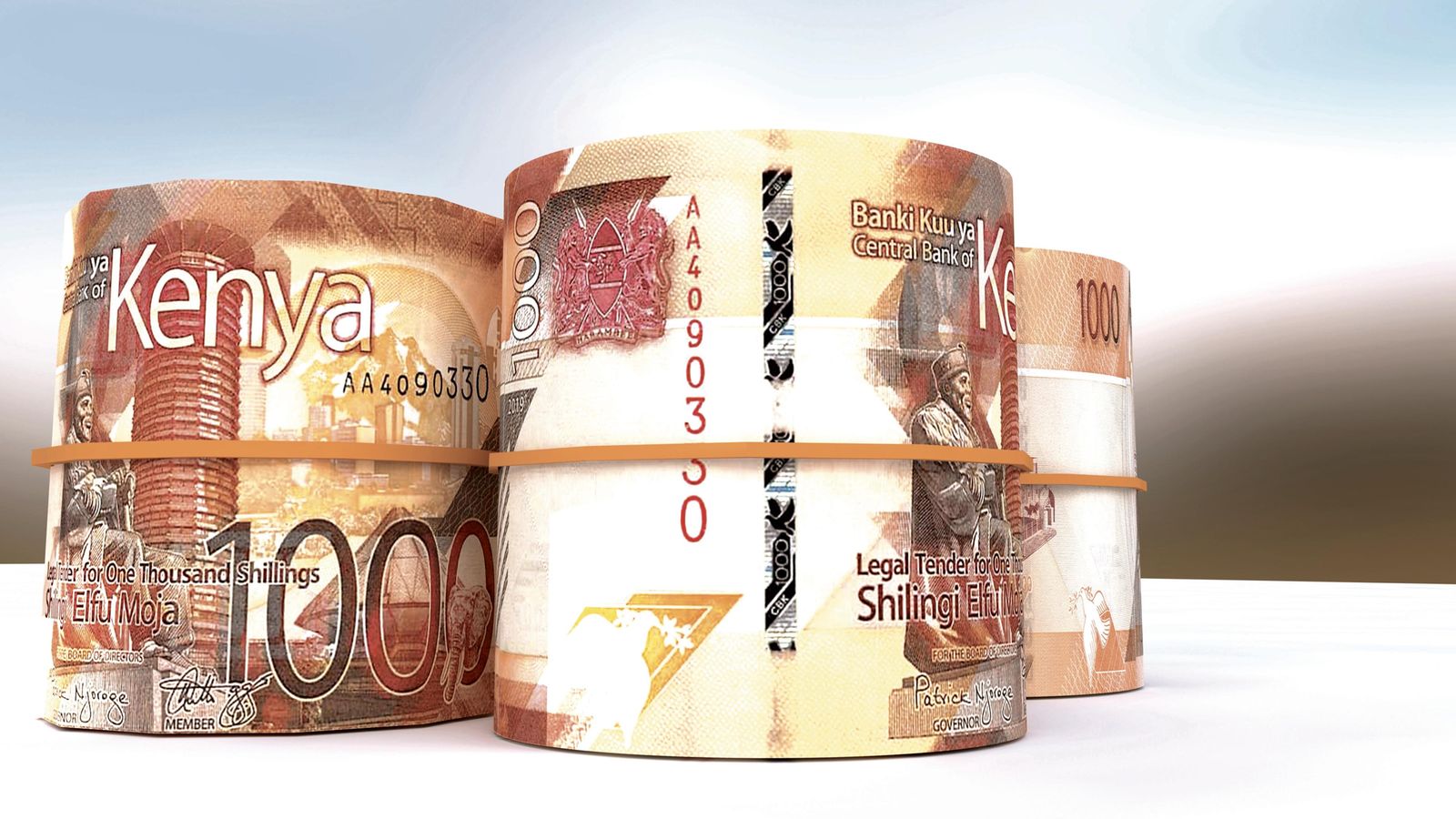
In August 2024, Kenya’s central bank director announced that a German firm had been contracted to print 2.04 billion new currency notes over the next five years—covering denominations ranging from Sh50 to Sh1,000. Printing the new batch of currency could be interpreted as a necessary operation to support the economy’s transactional needs, especially as population growth and increasing digital transactions require a reliable physical currency stock.
A fundamental reason central banks print money is to manage liquidity in the economy. In a growing economy, there needs to be enough money in circulation to facilitate trade, investments, and day-to-day transactions. Central banks also print money to replace old or damaged notes, maintaining the integrity of the physical currency. Moreover, in some cases, printing money can be a tool to deal with crises. For instance, during periods of economic recession or financial distress, central banks may engage in quantitative easing (QE), which involves printing money to buy government bonds and stimulate economic activity.
However, the timing of this move raises significant concerns, especially given the current state of the Kenyan economy. When more currency is printed without corresponding growth in economic output, there is more money chasing the same amount of goods and services, leading to inflation. Inflation erodes the purchasing power of individuals, disproportionately affecting the poor and those on fixed incomes. For Kenya, where inflation has already been a concern, printing more currency could further destabilize prices and drive up the cost of living, making it harder for ordinary citizens to make ends meet.
Kenya is also currently grappling with an unsustainable debt burden, having borrowed heavily in recent years to finance infrastructure projects and meet budgetary needs. Public debt has reached alarming levels, with significant portions of the national budget being allocated toward debt servicing. This is compounded by the weakening of the shilling, which makes repaying external debt even more expensive, as many of these obligations are denominated in foreign currencies like the U.S. dollar.


In such a situation, printing money can create a dangerous feedback loop. If more currency is printed without sufficient oversight, the resulting inflation can lead to higher interest rates as the central bank tries to control rising prices. Higher interest rates increase the cost of borrowing both for the government and the private sector, limiting economic growth and stifling investment. Moreover, with a depreciating currency, foreign investors may demand higher premiums for lending to the government, further exacerbating the debt sustainability crisis.
Kenya’s persistent corruption problems further complicate the potential impact of money printing. Corruption has often diverted public funds away from productive investments and toward the enrichment of a few elites. The injection of new currency into an economy can be hijacked by corrupt elements, worsening income inequality and undermining economic stability.
Moreover, if the funds meant to pay for the new currency printing contracts or manage the economy are misappropriated, it could lead to severe fiscal imbalances. The risk is that new money may flow into unproductive areas of the economy, failing to stimulate growth and development, while also driving up prices in sectors such as real estate and construction, where corruption tends to thrive.
To mitigate these risks, the government and the central bank need to adopt prudent fiscal policies, tackle corruption head-on, and ensure that the money supply grows in tandem with economic output. Only then can the negative repercussions of money printing be minimized, allowing the country to navigate its current economic challenges more effectively.