Sharp Daily
No Result
View All Result
Saturday, August 1, 2026
  • Home
  • News
    • Politics
  • Business
    • Banking
  • Investments
  • Technology
  • Startups
  • Real Estate
  • Features
  • Appointments
  • About Us
    • Meet The Team
Sharp Daily
  • Home
  • News
    • Politics
  • Business
    • Banking
  • Investments
  • Technology
  • Startups
  • Real Estate
  • Features
  • Appointments
  • About Us
    • Meet The Team
No Result
View All Result
Sharp Daily
No Result
View All Result
Home News

EAC’s new tariff regime sparks concerns over Kenyan import costs

Derrick Omwakwe by Derrick Omwakwe
July 10, 2024
in News
Reading Time: 2 mins read

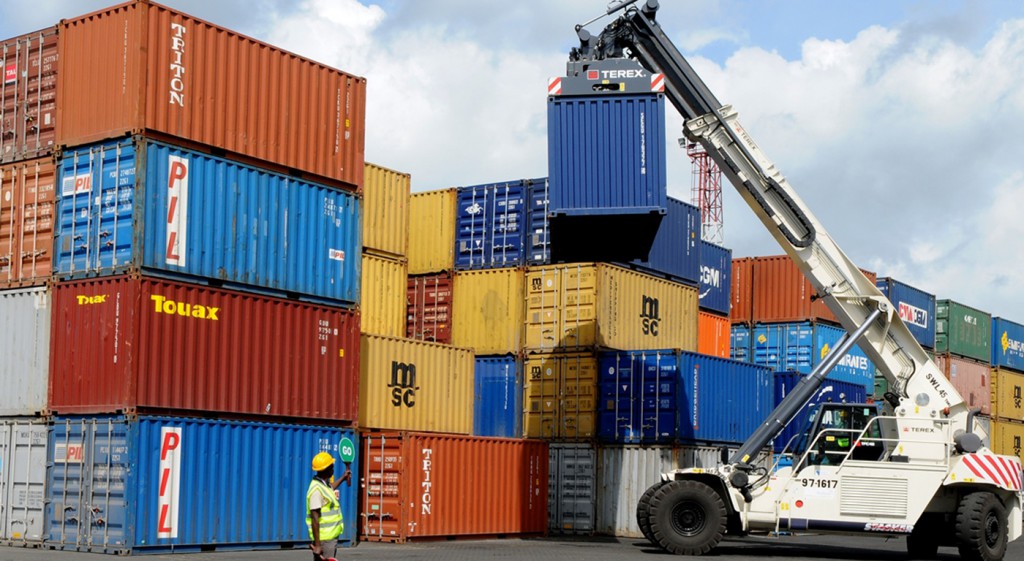
Importers of various manufactured goods will face a series of new taxes as outlined by the Common External Tariff (CET) issued by the East African Community (EAC) on June 30th.

The gazette, signed by the EAC Council of Ministers led by Deng Alor Kuol, details numerous import taxes across all member states. Concerns have arisen that the Kenyan government has implemented higher import taxes through the regional body following the collapse of the Finance Bill 2024.

Despite the CET rate for crude oil being set at 0.0%, Kenya and Uganda have applied to raise their rate to 10.0%. Other significant changes include a 35.0% duty on imported television sets, used clothing, baby diapers, steel wires, LPG, trailers, and tractors. Additionally, Kenya increased the duty on imported motor vehicles from the CET rate of 25.0% to 35.0%.

These taxes are expected to raise commodity prices for items such as soap, margarine, cooking oil, and cosmetics. Since most ingredients for these products are not locally available, this move could hinder plans to lower local production costs.

RELATEDPOSTS

EAC set to roll out single regional currency by 2031

July 27, 2026

Tanzania’s protectionist shift and what it means for Kenyan entrepreneurs and regional trade

July 31, 2025

The Finance Bill 2024 was rejected due to proposed import taxes that would have increased product prices. Despite government claims that higher import duties would boost revenue and protect local industries, the bill was ultimately dismissed after intense public protests.

However, Kenya has applied for a reduced customs rate of 35.0% on rice imports, down from the EAC CET rate of 75.0%. This reduction could benefit both importers and consumers by keeping rice prices low.

Additionally, the EAC approved duty remissions on textile inputs for Rwanda, Burundi, Tanzania, and Uganda

Previous Post

Why Kenya’s projects fail: A look at planning, finances, and politics

Next Post

Government pledges no fuel price hike amid road maintenance funding

Derrick Omwakwe

Derrick Omwakwe

Related Posts

News

Why Kenyan women still earn less than men despite equal qualifications

July 31, 2026
News

Safaricom deepens investment in Ethiopia as growth momentum builds

July 31, 2026
News

Why time matters in investing

July 31, 2026
News

EAC Reaffirms 2031 Currency Union Amid Convergence Gaps

July 31, 2026
News

JKIA Expansion to Boost Kenya’s Aviation Hub

July 31, 2026
News

Effects of Inflation on Cash Savings

July 30, 2026

LATEST STORIES

Why Kenyan women still earn less than men despite equal qualifications

July 31, 2026

Safaricom deepens investment in Ethiopia as growth momentum builds

July 31, 2026

How New Business Models Are Accelerating EV Adoption

July 31, 2026

Why time matters in investing

July 31, 2026

Pension considerations for expats

July 31, 2026

EAC Reaffirms 2031 Currency Union Amid Convergence Gaps

July 31, 2026

Secure Your Tomorrow with the Right Pension Fund

July 31, 2026

JKIA Expansion to Boost Kenya’s Aviation Hub

July 31, 2026
  • About Us
  • Meet The Team
  • Careers
  • Privacy Policy
  • Terms and Conditions
Email us: editor@thesharpdaily.com

Sharp Daily © 2024

No Result
View All Result
  • Home
  • News
    • Politics
  • Business
    • Banking
  • Investments
  • Technology
  • Startups
  • Real Estate
  • Features
  • Appointments
  • About Us
    • Meet The Team

Sharp Daily © 2024