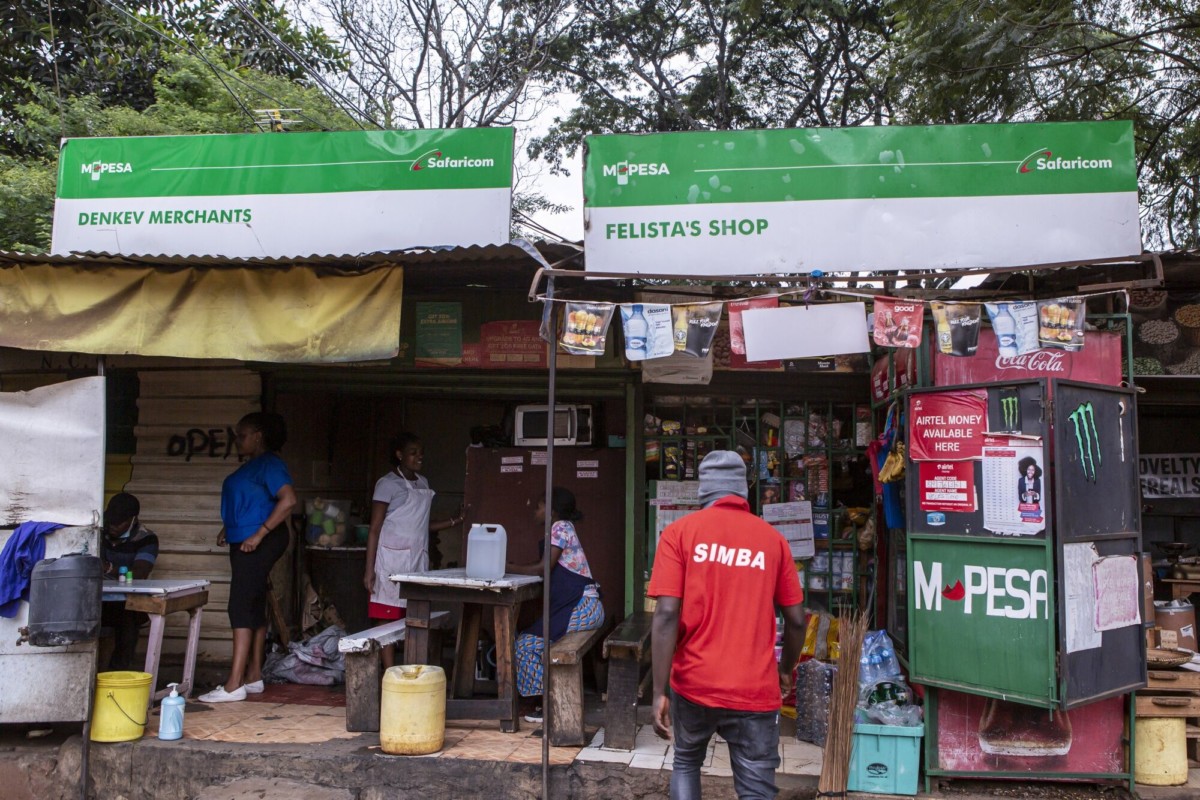
Kenya’s vibrant MSME sector, which accounts for a significant portion of the country’s economic output and employment, is grappling with a lack of access to finance and inadequate infrastructure, a new World Bank report has revealed.
The report titled “Jobs for All: Unlocking Inclusive Growth in Kenya” says these challenges pose a significant barrier to the sector’s growth and its ability to create much-needed jobs, especially in the aftermath of the COVID-19 pandemic.
“Most firms in Kenya cite access to finance as an important challenge,” the report states. “In the informal sector, 63 percent of businesses cite access to finance as the main challenge they face.”
The report highlights that most informal sector enterprises rely heavily on their own funds or family and friends for start-up capital, with very limited access to banks or microfinance institutions. “The exceptions are firms in the ICT subsector, which have some access to banks; and firms in the transport subsector, which have some access to savings and credit cooperative organizations and microfinance institutions,” the report notes.

The lack of access to formal financing sources significantly constrains the growth and expansion of MSMEs, limiting their ability to invest in new equipment, hire additional staff, or explore new markets. “Inadequate access to finance and liquidity constraints may pose challenges in preventing firms from growing and creating employment, and undermining productivity—particularly in the aftermath of the COVID-19 pandemic,” the report cautions.
In addition to financing constraints, MSMEs in Kenya face significant infrastructure deficits, particularly in access to roads, piped water, and electricity connections. According to the report, “Access to a tarmac or gravel road and to piped water appear to be constraints across all firms: only 15 percent of all MSMEs have access to a road they perceive as in good condition, and only 10 percent have access to water.”
These infrastructure gaps increase operational costs and hinder market access for MSMEs, ultimately constraining their potential for job creation. “A common challenge reported by firms is related to a lack of infrastructure—which necessarily increases the cost of doing business and difficulty in accessing markets, and thereby constrains the potential for job creation,” the report states.
The report also highlights the limited adoption of digital technologies among informal sector firms, further hampering their growth and competitiveness. “Very few informal sector firms use the Internet for transactions, marketing, or any other purpose,” it notes.
The report also mentions the importance of a supportive entrepreneurial ecosystem that allows MSMEs to access finance, technology, and markets, enabling them to grow, innovate, and improve productivity levels. “Addressing liquidity constraints on lenders like savings and credit cooperative organizations and other financial institutions can help them, in turn, resume lending to the broader MSME spectrum,” the report recommends.
Furthermore, the report calls for measures to facilitate the adoption of digital technologies among MSMEs, particularly those applied toward general business functions, such as business administration, production planning, e-commerce, digital payments, and quality control.
“Supporting programs that facilitate the adoption of digital technologies can provide needed solutions,” the report states.
Addressing these demand-side constraints is crucial for Kenya to harness the potential of its MSME sector and foster inclusive economic growth. As the report highlights, “MSMEs need a supportive entrepreneurial ecosystem to grow, innovate, and improve their productivity levels, and hire people.”