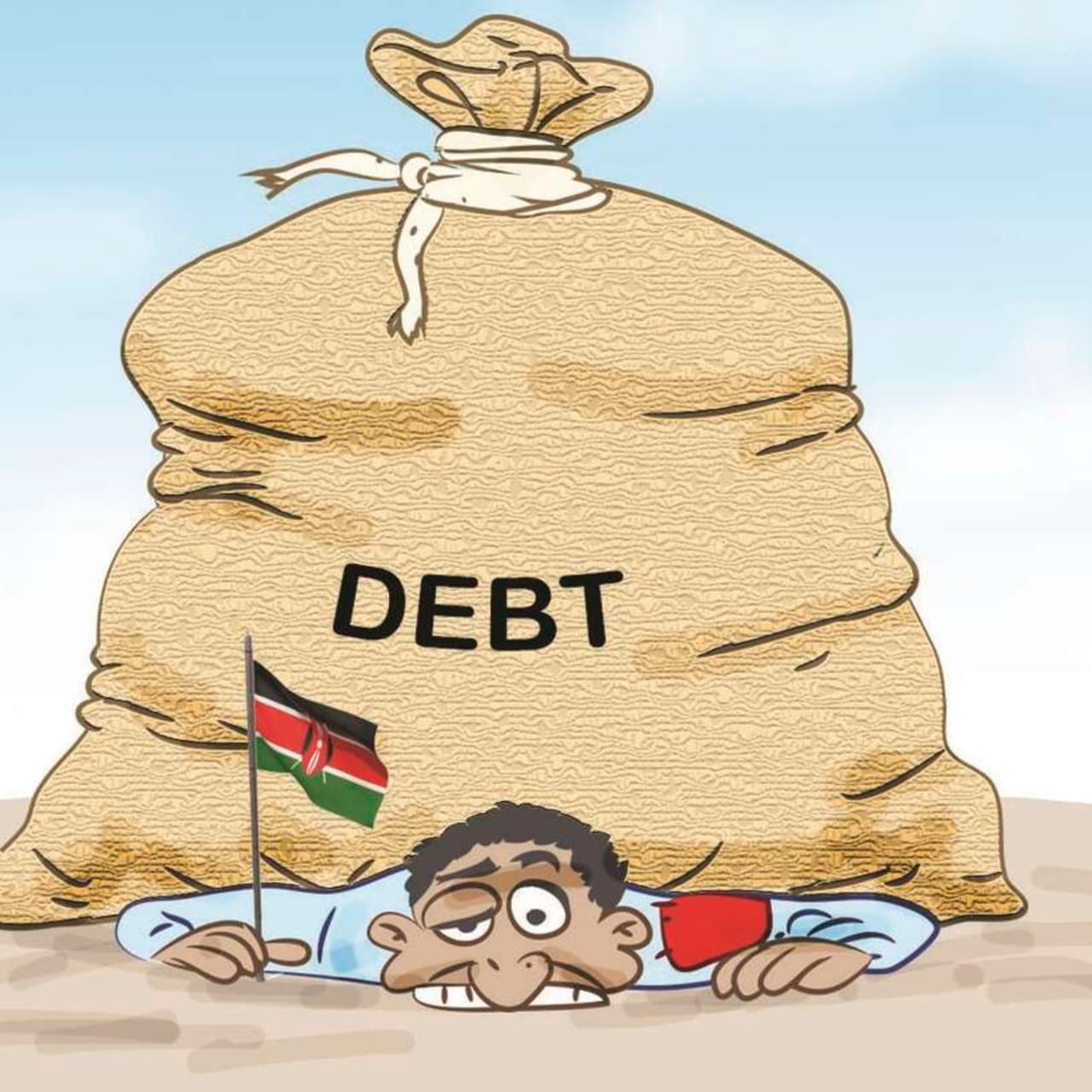
Kenya’s public debt narrative is one of ambition tempered by escalating risk. The strategy of leveraging significant external borrowing to finance transformative infrastructure and fuel economic growth has delivered visible progress but has also ushered in a complex dilemma centered on long-term sustainability, acute foreign exchange exposure, and the concentrated influence of Chinese lending. This trilemma now sits at the heart of the nation’s fiscal policy and economic planning.
The sheer scale of the debt is the foremost concern. Kenya’s public debt stands at KSH 12.1 tn as at 5th Dec 2025, hovering around 34.4% of GDP in 2025 according to world Population Review, additionally making USD 766.0 debt per Capita 2025, a level that exceeds the preferred threshold for emerging markets and places it among the most indebted nations at position 60 worldwide. A substantial portion of this is external debt accounting to 36.3% of the GDP, dominated by loans from bilateral and commercial creditors. While proponents argue that the debt has been instrumental in building the Standard Gauge Railway, expanding roads, and boosting energy capacity, critics point to the diminishing returns on new borrowing and the strain of soaring debt service costs. Servicing this debt now consumes a significant share of government revenue, crowding out essential spending on health, education, and social services, and raising urgent questions about fiscal sustainability.
Within this debt portfolio, Chinese loans occupy a unique and contentious space. China has been Kenya’s largest bilateral lender over the past decade, financing flagship infrastructure projects. These loans, however, have distinct characteristics that amplify the dilemma. They are often linked to contracts with Chinese firms, are typically more commercial than concessional, and some are collateralized with strategic national assets. The opacity of their terms and the fear of potential “debt-trap diplomacy” have sparked intense public and parliamentary debate. The concentrated exposure to a single non-Paris Club creditor reduces Kenya’s bargaining power in any potential debt restructuring and adds a layer of geopolitical complexity to its financial management.
The path forward requires a multi-pronged and disciplined strategy. The immediate priority is arresting the debt accumulation by shifting from debt-financed to revenue-financed expenditure, necessitating robust tax administration and austerity in non-essential spending. To mitigate currency risk, there is a pressing need to prioritize local currency financing and attract foreign direct investment in export-oriented sectors to earn the foreign exchange needed for repayments. Engaging with Chinese creditors on more transparent, concessional terms and diversifying future financing towards multilateral institutions with lower rates are also crucial. Ultimately, resolving this dilemma hinges on a fundamental shift: ensuring that borrowed funds are invested in high-return, revenue-generating projects that grow the economy faster than the debt accumulates.


Kenya’s debt dilemma is a cautionary tale of growth-fueled borrowing meeting the hard realities of global finance. Navigating it successfully will require not just adept fiscal management but also political will to make difficult choices, ensuring that the pursuit of development does not mortgage the nation’s future economic sovereignty.Begin building your financial security today with the Cytonn Money Market Fund. Call +254 (0)709 101 200 or email sales@cytonn.com.