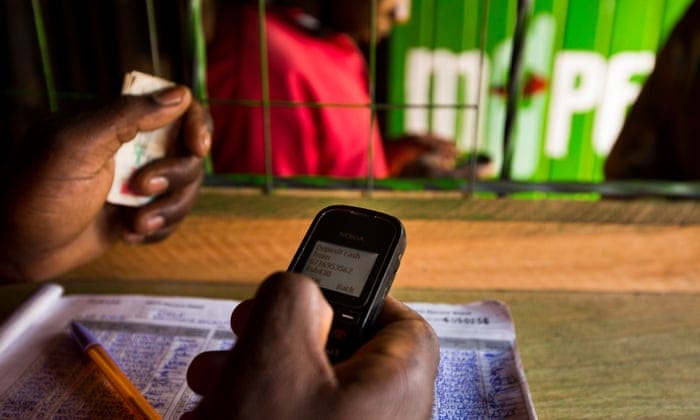
The transformation of Kenya’s economic landscape over the past two decades is inextricably linked to the rise of mobile money. What began as a simple tool for sending airtime has evolved into a sophisticated financial ecosystem, fundamentally altering how Kenyans save, spend, and manage their money. The story of M-Pesa is not just one of technological innovation; it is a story of financial inclusion, economic empowerment, and societal change. Communications Authority of Kenya, reported a 47.7 million active subscriptions with 77.3% penetration in 2025.
At its core, mobile money dismantled the traditional barriers to banking. Physical distance from a branch, lack of formal identification, and the inability to maintain minimum balances ceased to be obstacles. Suddenly, a small-scale farmer in a remote village could receive payment for their crops directly, a mother in the city could send money for school fees back to her rural family instantly, and a market trader could pay suppliers without handling large amounts of cash. This convenience and accessibility brought millions of Kenyans into the formal economy for the first time.
The impact has rippled outwards, fostering a culture of entrepreneurship and innovation. The ability to make and receive payments seamlessly gave birth to a new wave of small businesses. From motorcycle taxi drivers accepting payment via Till Numbers to freelance artisans receiving deposits for their work, mobile money has reduced transaction costs and increased trust in commerce. Furthermore, the data generated by these transactions has itself become a valuable asset, enabling the rise of digital credit services that assess creditworthiness based on a user’s transaction history, providing a lifeline for those excluded from traditional banking loans. Kenya has achieved a 91.0% of the mobile penetration, transforming finance with M-pesa, telecom growth and digital inclusion for businesses and consumer thus becoming a world leader in digital financial services.
However, this digital revolution is not without its challenges. The very accessibility that makes mobile money powerful also makes it a target for fraud and scams, requiring constant user vigilance. The digital divide, though narrowing, still leaves some of the most vulnerable populations behind, particularly the elderly and those in areas with poor network coverage. Additionally, a dependency on digital credit has led to concerns about over-indebtedness, as easy-to-access loans can trap users in a cycle of debt.


Looking ahead, the mobile money ecosystem continues to evolve, integrating with traditional banking, savings, and insurance products. With 83.0% of Kenyan adults now have formal access to financial services thus laying the foundation for a truly digital economy, proving that a simple idea, built on trust and accessibility, can become the most powerful bank for the people. The Kenyan model has become a blueprint for the world, demonstrating that the future of finance may not be built on marble floors, but in the palm of your hand. Start your investment journey today with the Cytonn Money Market Fund. Call +254 (0)709 101 200 or email sales@cytonn.com.